Description
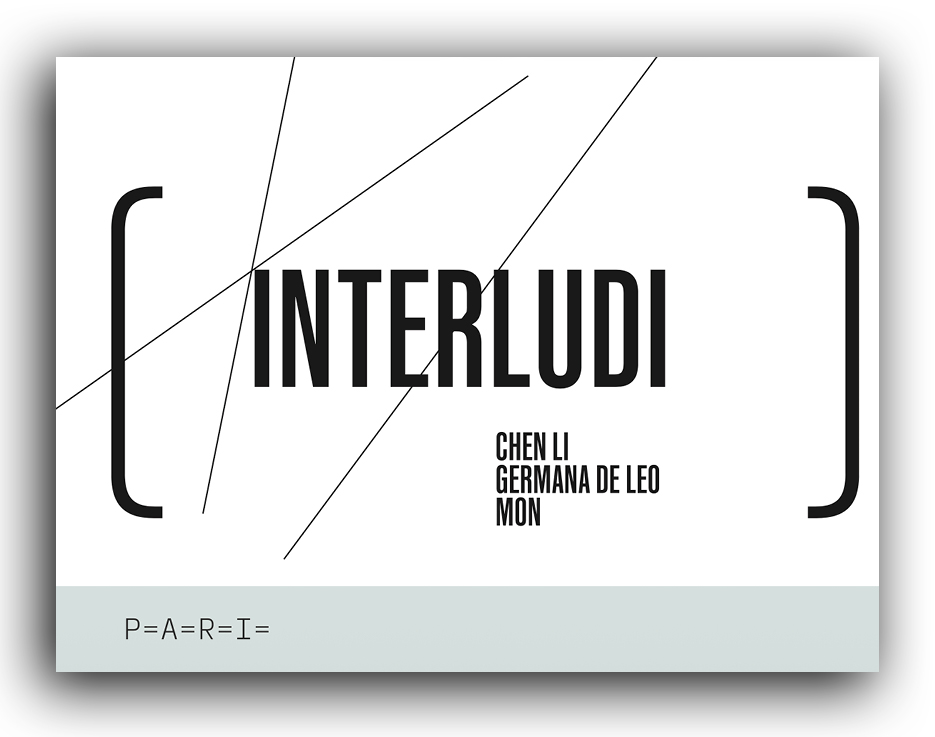
Etymologically, the term interlude, from the Latin inter- ‘between’ and ludus ‘game’ or ‘spectacle’, properly means ‘in the midst of the spectacle’.
In the world of theater and music, interludes are short compositions that separate two scenes of a performance or two parts of a concert. They can consist of simple musical pieces or actual, self-contained performances, extremely short in length and stage presence. In other words, the interlude is an interlude: this idea, outside the world of music and theater, takes on the general connotations of a pause.
In philosophy, the interlude can be compared to the phenomenological epoché—suspension of judgment. It is not a passive void, but an act of will with which one decides to stop “productive time” to observe the world without the obligation to react to it. (…)
Interludes can therefore be considered spaces, parentheses, or simple variations in the usual daily flow. Here, they become three paths that suggest personalities, narratives, and sharing, creative signs, aimed at delineating parallel worlds and new perspectives.
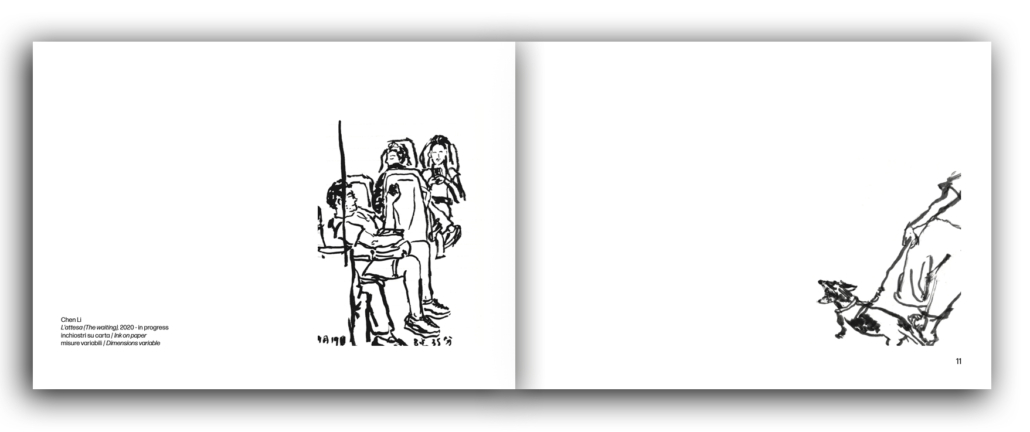
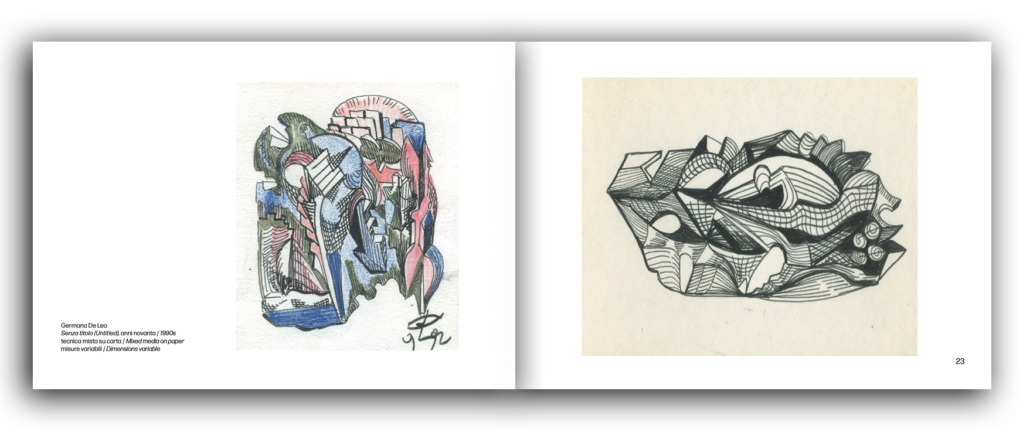
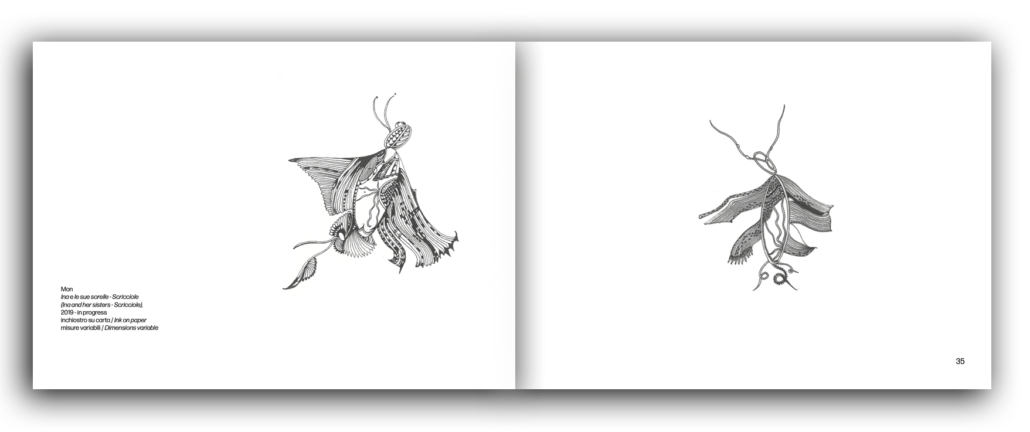
Chen Li, a traveling artist-calligrapher, while waiting, notes with ink and brush, on notebooks and loose sheets of paper, what she encounters, in a continuous discovery of places, people, and architecture: a consoling art that trains the gaze and catalyzes positive energy. Psychotherapist Germana De Leo, drawing on the pages of a notebook during sessions, conveys the emotional intensity of listening during her work with her patient. Finally, Mon, a figure involved in the welfare sector, combines her professional activity with an original aesthetic investigation, creating complex arabesques with multiple meanings in pen. (From the text by Elena Inchingolo)